We reside in a world that celebrates exhaustion. We brag about being busy, put on sleep deprivation like a badge of honor, and even flip mindfulness into one other productiveness hack. But after we lastly collapse on the sofa on the finish of the day, the issues we name “stress-free”—scrolling, streaming, sipping—not often depart us feeling restored. They’re distractions, not renewal. In reality, even the speeding itself generally is a distraction, preserving us from noticing what lies beneath.
What if slowing down may truly refill your tank in a approach that lasts? What if relaxation wasn’t one thing you needed to earn, however one thing you might select—intentionally, unapologetically, and with the identical intention you carry to your exercises or your workday?
Why Slowing Down Feels So Laborious
Only a heads up: slowing down can really feel uncomfortable at first. I see this on a regular basis with new college students and retreat members. Many people are so used to transferring on the tempo of the world round us that pausing feels unnatural—and even fallacious.
I do know this firsthand. As a Division 1 volleyball participant in school, I used to be skilled to push by way of damaged fingers, sprained ankles, and again ache. I turned an professional at ignoring my physique—and for years, that mindset saved me from noticing after I really wanted relaxation.
It took me a very long time to comprehend that slowing down isn’t weak point. It’s power of a unique variety. It’s a observe of listening, of tuning in, of reclaiming energy as a substitute of leaking it. That’s the guts of somatic yoga: a delicate but highly effective strategy to reconnect with your self, soothe your nervous system, and uncover what true relaxation and renewal can really feel like.
What Is Somatic Yoga?
Consider somatic yoga as a observe that shifts the main focus from how a pose appears to the way it feels. As a substitute of striving for “good” alignment, it invitations you to decelerate and see the subtler messages your physique is sending.
Actions are light, intentional, and sometimes smaller than in a standard class—however don’t let that idiot you. These aware explorations can create large shifts: releasing tension, bettering mobility, calming the nervous system, and bringing you again into steadiness.
At its core, somatic yoga is about transferring from inside. It’s much less about attaining an exterior objective and extra about growing notion—what you’re feeling inside (interoception), the place your physique is in house (proprioception), and the way you hook up with the world round you (exteroception). On this approach, somatic yoga doesn’t simply complement conventional observe, it deepens it—serving to you strategy acquainted poses with contemporary consciousness and perception.
The Science Behind Slowing Down
Why Your Mind Wants Sluggish Motion
Slowing down is required if you wish to transfer with deliberate intention and targeted consideration. Quick actions start and finish earlier than you’ve had an opportunity to note something. However gradual motion provides your mind time to collect info, interpret it, and reply—creating a transparent, detailed “map” of your physique in movement.
Consider it like this: zipping down the freeway provides you solely a blur of the town, however strolling the streets helps you to discover the structure, the cafés, the hidden gardens. The slower the tempo, the extra element your mind can register—and the extra prospects you uncover.
How Somatic Yoga Reduces Ache
This is the reason slowing down can change the way in which we expertise ache. At full velocity, you would possibly conclude, “My shoulder hurts at any time when I elevate my arm.” However if you transfer slowly, chances are you’ll discover the ache solely exhibits up if you elevate shortly, at a sure angle, or past a sure peak. That consciousness provides you a approach in—an opportunity to discover new choices as a substitute of avoiding motion altogether. And if you understand your “unhealthy” shoulder doesn’t at all times harm, the story you inform your self about your physique begins to alter.
The Neuroscience of Sluggish
Somatic yoga additionally takes benefit of the Weber–Fechner Regulation, which explains that when the depth of a stimulus is low (like transferring gently and slowly), our mind turns into a lot better at detecting variations. It’s why you may simply catch the distinction between one candle and two, however not between 100 candles and 101. In motion, slowing down reveals pointless stress and energy that might in any other case go unnoticed.
Based on Henneman’s Dimension Precept, the physique recruits small, exact motor models first, earlier than calling on the larger, much less refined ones. In observe, meaning gradual, low-force motion depends on the finer, extra managed muscle fibers—serving to us construct coordination and steadiness.
And after we decelerate, we break away from behavior. Fast actions are likely to fall into our previous, acquainted patterns, whereas gradual actions create house for novelty. That novelty—making an attempt one thing in a brand new approach—is what sparks neuroplasticity, the mind’s capacity to rewire itself and study.
Maybe most significantly, transferring slowly tells your nervous system that you just’re protected. Diminished mechanical forces decrease the sense of menace, creating a relaxed atmosphere the place your physique feels free to discover actions that when triggered ache or had been lengthy uncared for. Security is the muse for development and therapeutic, and somatic yoga supplies precisely that.
Coming Again to Your self
Somatic yoga is an energetic sort of relaxation—one which helps you reset and restore whereas strengthening your connection to your self. The place different types of train push you to your edge, somatic yoga pulls you inward, asking: What do I discover? The place do I really feel ease? The place do I really feel caught?
Every time you come to a motion, it’s by no means fairly the identical—that’s the somatic precept of “repetition with out repetition.” Each breath, each shift of consideration creates a brand new expertise. Over time, these explorations construct larger self-trust, company, and resilience.
Somatic yoga doesn’t simply change the way in which you progress on the mat—it modifications the way in which you progress by way of life.
Attempt Somatic Yoga for Your self
In the event you’d prefer to expertise it firsthand, here’s a guided practice on the connection between the backbone, core, and low ribs to get you began.
Take the Free Somatic Yoga Class here
And in the event you really feel known as to go deeper, I provide weekly somatic yoga classes reside on Zoom—sure, I ship out recordings—in addition to annual somatic yoga retreats the place we discover this work in group. —Karin
References
- Enoka, R. M., & Duchateau, J. (2014). Understanding neuromuscular operate. Frontiers in Human Neuroscience.
- Kattenstroth, J. C., et al. (2013). Dance improves steadiness, coordination, and cognition in older adults. Frontiers in Getting old Neuroscience.
- Doidge, N. (2025). Slowness of motion boosts consciousness and studying. Psychology Right now.
- Hartley, L.Knowledge of the Physique Transferring: An Introduction to Physique-Thoughts Centering.
- Hargrove, T. A Information to Higher Motion: The Science and Follow of Transferring with Extra Talent and Much less Ache.
- Cohen, B. B. Sensing, Feeling, and Motion: The Experiential Anatomy of Physique-Thoughts Centering.
- Hanna, T. Somatics: Reawakening the Thoughts’s Management of Motion, Flexibility, and Well being.
Trending Merchandise

Pilates Bar Exercise Playing cards ...

WALITO Resistance Bands Set –...

OQQ Ladies’s 3 Piece Excessiv...

Arm Blaster Forearm Exercise Gear &...
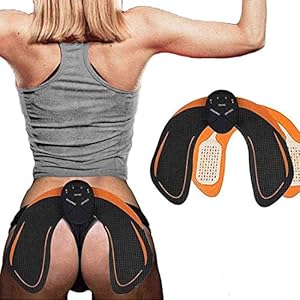
ABS Stimulator Buttocks/Hips Coach ...

Fitness center Residence Rack 8 Hoo...

LALAHIGH Moveable Residence Health ...

EAST MOUNT Tornado Arm Exerciser &#...

Sportybella Gymnastics Bracelet- Gy...